Writing at St Ambrose: Inspiring Lifelong Writers
At Saint Ambrose, we want our children to develop a deep love of writing and a confidence in expressing themselves. Writing enables pupils to communicate ideas with clarity and creativity, sparking curiosity as they explore different genres, purposes, and audiences.
Intent, Implementation and Impact
Intent
Children will:
- feel empowered to develop their own author’s voice and flair by writing for a range of purposes and audiences, in grammatically correct sentences.
- acquire a wide vocabulary, an understanding of grammar and knowledge of linguistic conventions for reading, writing and spoken language.
Implementation
- At St Ambrose Catholic Primary, we use ‘I am a Clever Writer’ mastery approach to teaching writing, which ensures consolidation and layering of skills. Each class (from EYFS to Y6) has their own ‘clever writer’ checklist, which is carefully matched to the National Curriculum objectives for each year group. This checklist ensures that the children know exactly what they need to include in their writing to be successful and it becomes their menu for writing.
-The Early Years have a specific IACCW approach to ensure all the fundamental writing skills are developed and secured.
- Writing across the curriculum is taught by modelling to the children (WAGOLL) what a good one looks like, before then identifying the features in the specific text type that is needed. The children then use this knowledge as a scaffold to write about their learning, as they are familiar with the text type and style of writing needed for that genre.
Impact
- Children write engaging pieces of work as a result of a carefully planned sequence of lessons that build towards a goal. These pieces of work are at least in line with their peers nationally.
- Children can confidently write in the written language.
Writing in the Early Years (EYFS)
In the Early Years, writing begins with developing strong pre writing foundations, including correct pencil grip, fine motor control and accurate letter formation. Through our ‘I am a Clever Writer’ approach, children learn these essential skills step by step, helping them to become confident early writers who can express their ideas with increasing independence.
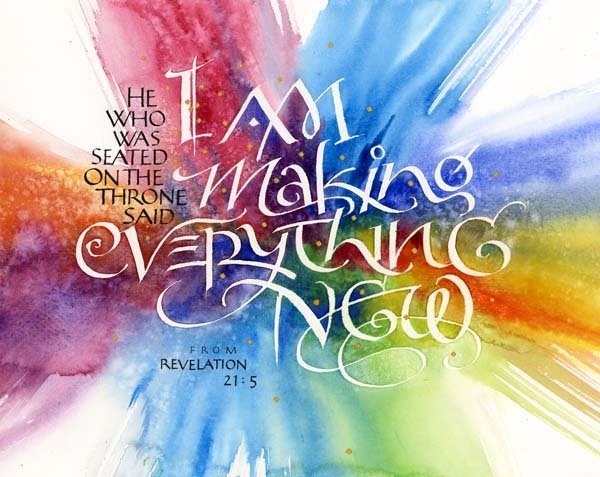
And He who sits on the throne said, “Behold, I am making all things new.” And He said, “Write, for these words are faithful and true.”
Revelation 21: 5
Adaptive Teaching
In Writing, adaptive teaching strategies are used to ensure that every pupil can access learning, develop as confident writers and achieve success. Lessons are carefully planned and scaffolded so that all children can work towards the same writing learning intention at an appropriate level. Pupils with additional needs, including those with Special Educational Needs (SEN), receive tailored support through high-quality teacher guidance, explicit modelling, shared and guided writing, visual prompts, vocabulary banks, sentence scaffolds and tasks broken down into smaller, manageable steps. Where appropriate, pupils are given additional opportunities to rehearse ideas orally, use supportive resources and receive timely feedback to develop their confidence and independence. Our aim is for every child to become a resilient and enthusiastic writer who can write with increasing accuracy, creativity and purpose for a range of audiences and contexts.
I'm a Clever Writer
We follow 'I'm a Clever Writer' approach to teaching writing. Each year, children build on their writers’ checklist and add new skills in order to showcase that they are ‘a clever writer’. In each classroom, the ‘I am a Clever writer’ checklist for that year group is clearly displayed for all children to be able to refer to throughout any writing task. Each checklist is added to throughout the year as new skills are taught. Please note that our progression and skills documents are internal documents and we are unable to share it on our website.
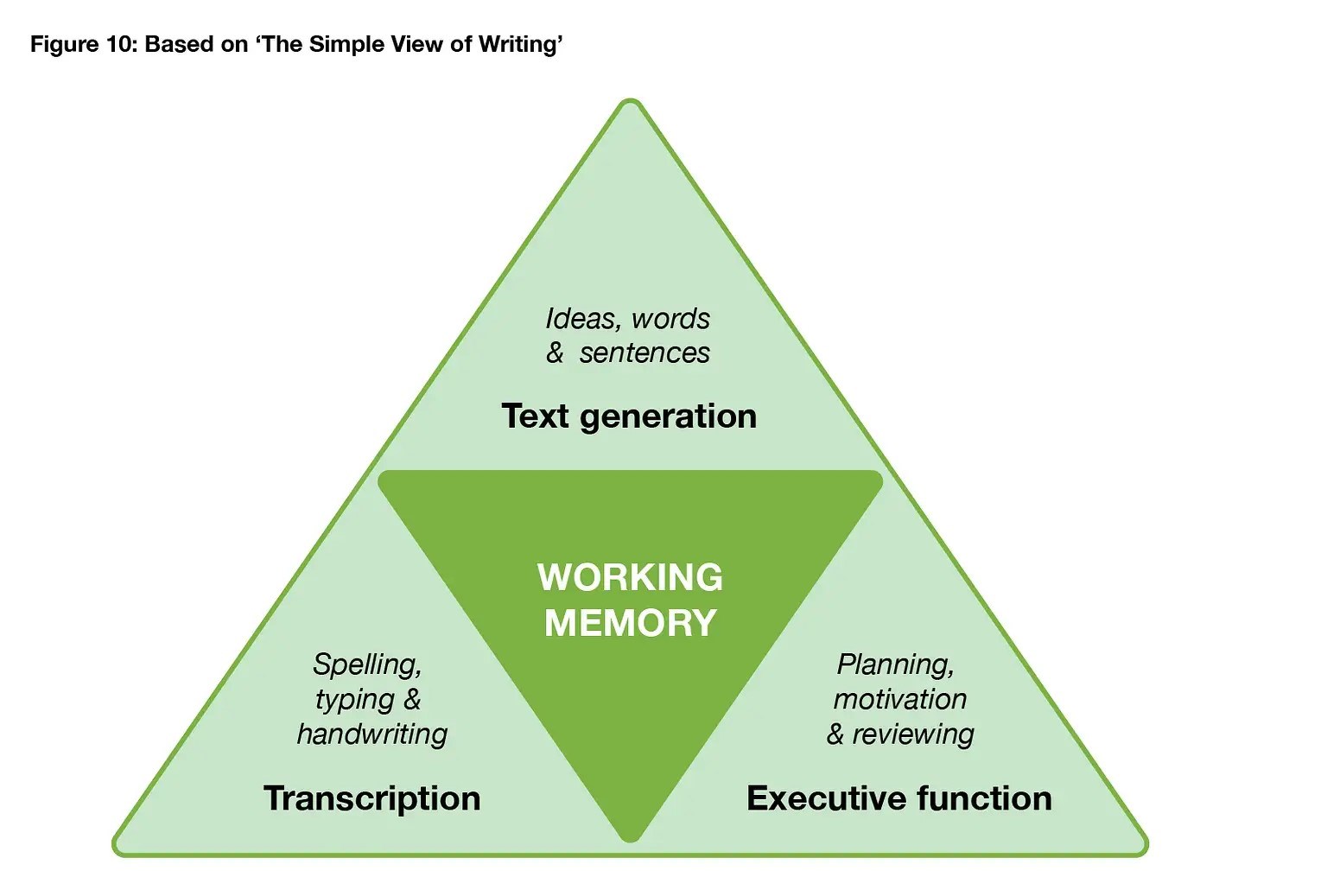
In Reception we keep things simple and do things well.
'The reception year builds the foundations that support pupils’ writing throughout primary school and underpin their future success.'
Writing Framework Summary July 2025
What our children say about Writing
Reception- I like looking at my handwriting card to make sure I am forming my letters correctly.
We have learnt hwo to sit at the table in our writing position with our feet on the floor.
Year 1-Spelling shed has helped me with my spellings and I really like the different games.
I like the stories we write about . We always make sure we use a sharp pencil.
Year 2-I like playing the games and I want to get better at it.
Key Stage Two
Spelling shed has helped me improve my ability and confidence.
Spelling shed has made spelling homework more fun and I remember the spellings in my writing more.
I love writing stories in class and using the new star word vocabulary that we have learnt.
Spellings
Spelling lessons are taught in class and are spellings are sent home.
Each lesson has a main objective from the National Curriculum appendix for spelling.
A typical lesson
Revise and Introduction
Main Teaching Input with the new spelling rule.
Independent task and Consolidation.
Spelling are displayed clearly in class each week and where appropriate used in their writing lessons.